Advanced Image-Guided Care by the
Best Interventional
Radiologist
in Lahore Dr. Ahmad Zia
Delivering precise, minimally invasive care for faster recovery.
- Certified Interventional Radiologist
- High Success Rates in Minimally Invasive Procedures
- Safer Alternatives to Traditional Surgery
- Precision-Driven, Image-Guided Surgery and Care
- Faster Recovery, Reduced Risk,
Book Appointment
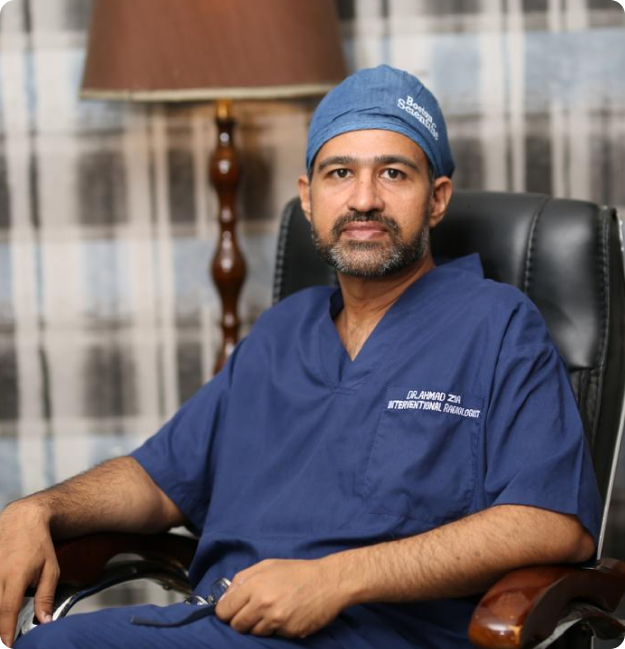
Meet Dr. Ahmad Zia, an Internationally Trained Interventional Radiologist in Lahore
Holistic Professional Profile
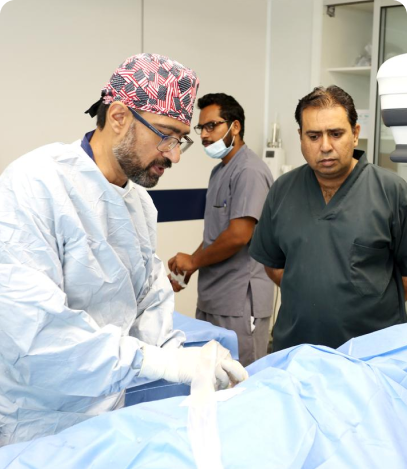
Dr. Ahmad Zia is a highly reputed Interventional Radiologist in Lahore who has acquired international training, academic prowess and a leadership position in leading healthcare organizations. He has extensive postgraduate experience in the United Kingdom and is regarded as an opinion leader in both the national and international interventional radiology community. Having worked in high-level consulting roles, as an academic, and as a department head, he can be regarded as a clinician who brings international experience to the Pakistani medical environment.
Clinical Scope and Specialization.
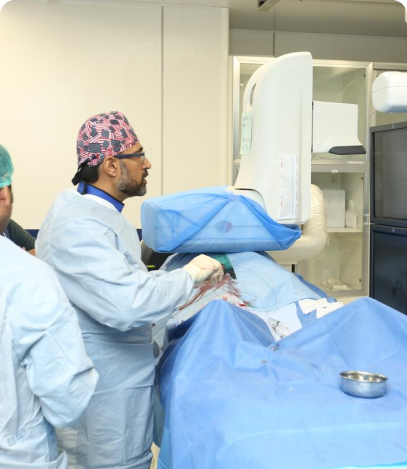
His practice covers a wide range of minimally invasive surgical and radiological procedures, including highly specialized vascular and hepatobiliary operations, to the most sophisticated oncologic and organ-based interventions. Dr. Ahmad Zia’s current practice combines image-guided surgery techniques using the latest interventional modalities, enabling treatment of a wide variety of conditions. He is a highly skilled vascular and non-vascular interventional radiologist and has exceptional diagnostic radiology skills allowing him to deliver excellence with accuracy and precision.
Academic Influence and Medical Leadership.
Dr. Ahmad Zia is one of the key figures in IR related education, research and development. He has served at the best institutes in the world and currently he is practicing at one of the leading interventional radiology practices in Pakistan. He has mentored radiology trainees, trained interventional fellows, and has been involved in advisory and quality-improvement programs at both institutional and national levels. He is deeply engaged in innovation and evidence-based practice as demonstrated in his published research. In his teaching, service delivery, and healthcare leadership capacities, he remains a contributor towards the future of Interventional Radiology with a robust patient-centered care philosophy.
Badges, Accreditations & Certifications of Dr. Ahmad Zia
Dr. Ahmad Zia, a leading expert at our IR clinic in Lahore, combines international training, advanced expertise, and minimally invasive techniques to deliver safe, precise, and effective care. His globally recognized accreditations and certifications ensure every procedure meets the highest standards, giving patients confidence, comfort, and superior outcomes.

ECIO
European Certificate of Interventional Oncology (2025)

EBIR
European Board of Interventional Radiology (2014)
CCST
Interventional Radiology 2014

Certified Consultant
College of Physicians & Surgeons Pakistan

CCST
Diagnostic Radiology 2014

Cath Lab Director
Cath Lab Director, Shalamar Hospital, Lahore
FRCR
Fellow of Royal college of radiologists, London (2013)
MRCS
Member of Royal College of Surgeons, Edinburgh (2006)
Interventional Radiology
Member of Society of Interventional Radiology
MBBS
Allama Iqbal Medical College, Lahore (2002)
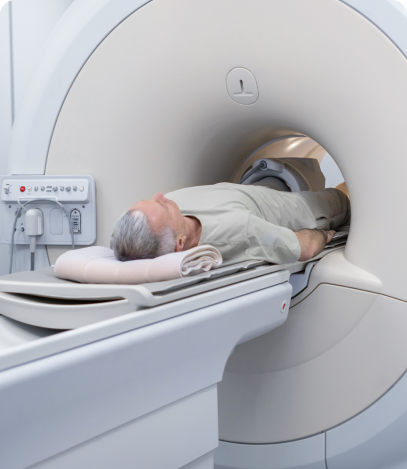
Dr. Ahmad Zia is a Very Qualified Interventional Radiologist in Lahore.
Over the years he has earned internationally recognized certifications that reflect a high level or status of training and clinical excellence. Moreover, his treatments are care-oriented and evidence- based, ensuring safe, effective care with faster recovery and improved outcomes.
His qualifications cover diagnostic radiology, interventional radiology, and surgical fields, which adds to his expertise in complex image-guided procedures.
Dr. Ahmad Zia is certified by the European Board of Interventional Radiology as an EBIR. This designation is awarded to professionals who meet and demonstrate European standards of expertise in both vascular and non-vascular interventional radiology.
This certification validates high levels of knowledge in image-guided surgery, embolization procedures, tumor ablation, as well as complex procedures in endovascular intervention.
Credentials at a Glance
ECIO- European Certificate of Interventional Oncology (2025)
EBIR – European Board of Interventional Radiology (2014).
FRCR – Fellow of Royal college of radiologists, London (2013)
MRCS – Member of Royal College of Surgeons, Edinburgh (2006)
MBBS – Allama Iqbal Medical College, Lahore (1997-2002)
Interventional radiology CCST.
CCST – Diagnostic Radiology
Fellow of the Royal
College of Radiologists, London
Dr. Ahmad Zia is a Fellow of the Royal College of Radiologists, London. This proves his expertise on topics of diagnostic imaging, clinical radiology, and patient-centered decision making.
His experience also features MRCS (Edinburgh), which emphasizes a background in the field of surgery and prescribes accuracy of the process and anatomical comprehension when performing these procedures.
He graduated from Allama Iqbal Medical College, one of the most recognized medical colleges in Pakistan, and proceeded to postgraduate training in the United Kingdom.
By combining both domestic medical packing and foreign specialization, he has been able to provide internationally-oriented interventional radiology service in Pakistan.
Besides board certifications, Dr. Ahmad Zia is also actively involved in the work of professional structures and healthcare facilities. He actively participates in the ongoing investment in professional development, clinical governance, and quality assurance programs. His practice is based on high standards of patient safety and clinical standards that are observed internationally.
Dr. Ahmad Zia has affiliations with the top hospitals and non-vascular radiology clinics. He offers multifaceted care in all aspects of vascular interventional radiology, non-vascular interventional radiology, and advanced image-guided therapies, which are accurate and safe with the best outcomes in patients.
Hear From Our Patients
Mariyam MahmoodTrustindex verifies that the original source of the review is Google. My mother needed a procedure for a serious condition, but due to her age, surgery was very risky. That’s when we understood why patients specifically search for an interventional radiologist in Lahore—because they want safer alternatives. Dr. Ahmad Zia treated her through a minimally invasive technique. The care, patience, and clarity he showed were beyond expectations. Facilities like Bahria International Hospital Orchard also make access easier for families like ours. Alhamdulillah, my mother is doing well now. Afiza MalikTrustindex verifies that the original source of the review is Google. My husband was dealing with a liver tumor, and doctors were suggesting high-risk surgery. We were emotionally broken. At that time, we came to know why interventional radiology in Lahore is so important—it offers targeted treatment without putting the whole body under stress. Dr. Ahmad Zia explained everything about image-guided procedures in such a calm way. Advanced medical facilities at Bahria International Hospital Orchard, his approach is very professional. My husband underwent treatment and is now recovering well. For families going through such situations, this kind of care is priceless. TehreemTrustindex verifies that the original source of the review is Google. My son was diagnosed with varicocele, and different surgeons advised an operation. As a father, I was deeply worried about complications and future fertility. That’s when we understood the importance of an interventional radiology clinic where treatment is done without surgery. We met Dr. Ahmad Zia, who is known as a leading interventional radiologist in Lahore, and he guided us toward embolization. We also explored options at Bahria International Hospital Orchard for convenience. Alhamdulillah, the procedure was simple, and my son recovered within days. No pain, no stress. Every parent looking for a safer option should consult him. rohi shahTrustindex verifies that the original source of the review is Google. My younger brother had been suffering from internal bleeding issues, and multiple doctors were suggesting open surgery. As a family, we were terrified because of the risks and long recovery. That’s when we realized the real need for an interventional radiologist in Lahore, someone who could treat the problem without major surgery. We consulted Dr. Ahmad Zia at Bahria International Hospital, Orchard got guidance regarding facilities. From the first meeting, he explained how interventional radiology clinic treatments work through minimally invasive techniques. The procedure was done without any major incision, and my brother was discharged quickly. Today, he is healthy again. This field truly saves patients from unnecessary surgeries, and Dr. Ahmad Zia is doing an incredible job.Google rating score: 5.0 of 5, based on 4 reviews
What are the Procedures We are offering?
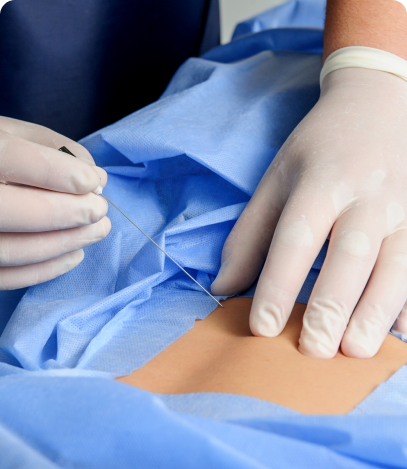
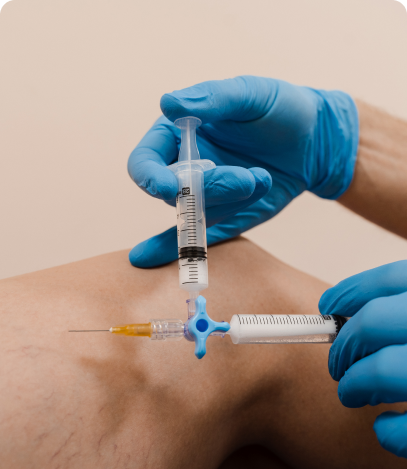
Minimally invasive procedures which are guided by images, work well and have shorter recovery times. At our clinic we perform a variety of procedures utilizing state-of-the-art equipment, ensuring the greatest standards of safety, precision, and patient comfort.
Y-90 Treatment (Radioembolization)
Y-90 treatment is a form of radiation therapy that targets primary or metastatic liver tumors when surgery is not an option. The Yttrium-90-containing small beads are inserted straight into the blood vessels that supply the tumor. These radiation-emitting beads can completely eliminate smaller lesions and shrink tumors without harming healthy liver cells. Y-90 keeps the liver functioning normally, reduces the symptoms of cancer, slows its progression, and may qualify patients for future treatments including surgery or a liver transplant.
TACE (Transarterial Chemoembolization)
TACE is a treatment for liver cancers that employs targeted chemotherapy and embolization. Chemotherapy drugs are injected straight into the tumor’s arteries, and then they are trapped inside the tumor by embolic agents that block blood flow. This two-pronged strategy improves the effectiveness of the medications while starving the malignancy. TACE can be used in conjunction with surgery, ablation, or other treatments and is frequently used for liver-only cancers.
Tumor Ablation for liver, kidney and lung
Tumor ablation involves heating, freezing, or rupturing the tumor to eliminate cancer cells. It is frequently utilized for lung, liver, and kidney cancers when surgery is not an option because of the size, location, or health issues of the tumor. In smaller tumors, ablation may completely eradicate cancer with faster recovery times. It can also reduce tumors and alleviate symptoms.
Thyroid nodule ablation
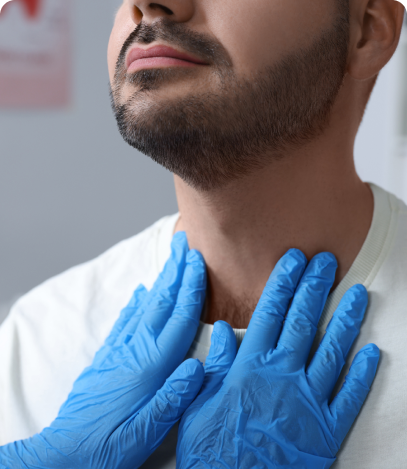
Benign thyroid nodules that cause symptoms or aesthetic issues are removed by thyroid nodule ablation. The nodule is specifically targeted with techniques like radiofrequency ablation or ethanol injection, which reduces it while preserving healthy thyroid tissue. This technique eliminates apparent swelling, pressure, and pain without requiring surgery. Because thyroid nodule ablation is performed under local anesthesia and has a minimal recovery period, patients can quickly resume their regular activities while still receiving long-lasting benefits.
Angioplasty & Stenting
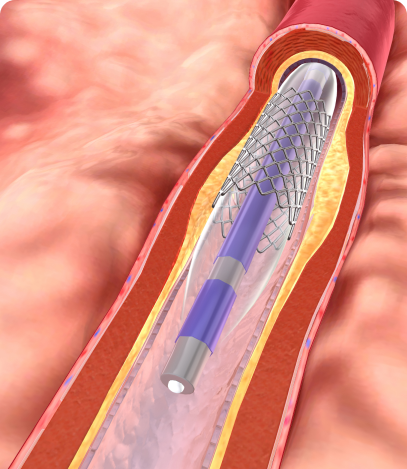
In order to restore normal blood flow, restricted or obstructed heart arteries can be repaired via angioplasty and stenting procedures. The artery is opened by gently inflating a tiny catheter that has a little balloon attached to it. To maintain the artery open over time, a stent is typically inserted. These methods, which typically have a quicker recovery than surgery, use real-time imaging to reduce the risk of amputation and improve peripheral circulation.
Dialysis fistula
venoplasty and stent
Blood veins in a dialysis access are opened up or widened via dialysis fistula venoplasty and stenting. To release the constricted vein and restore normal blood flow, a small balloon is delicately inflated. If necessary, a stent is implanted to keep the vessel open for an extended period. These methods increase the effectiveness of dialysis, reduce the likelihood of complications, and prolong the fistula’s duration with minimal discomfort and a quick recovery.
Fibroid Embolization
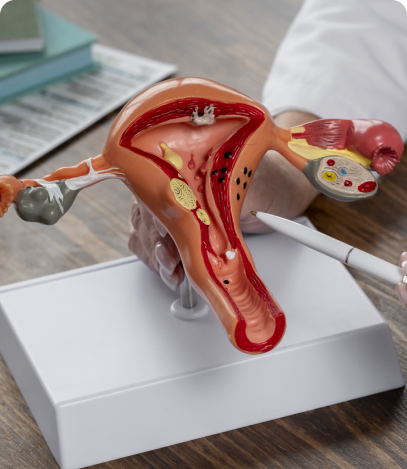
Uterine fibroids are treated via fibroids embolization, which stops their blood flow. The arteries that supply the fibroids are filled with tiny particles. Over time, this reduces their size and relieves symptoms like pressure, bloating, pelvic pain, and heavy bleeding. An interventional radiologist performs this treatment, which preserves the uterus while avoiding major surgery, accelerating rehabilitation, and allowing most patients to return to their regular activities sooner.
Varices sclerotherapy
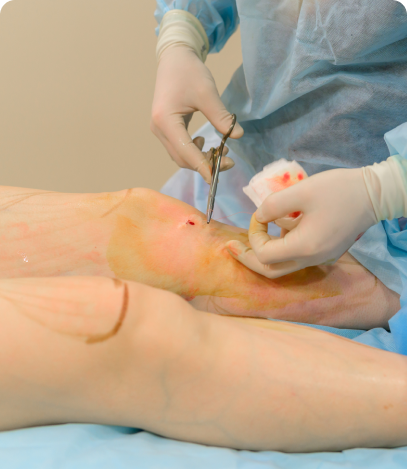
It is a minimally invasive procedure that can improve the appearance and feel of varicose and spider veins. The affected vein is carefully injected with a particular solution, which causes it to shut. Over time, pain, swelling, and visible veins are reduced when blood is diverted to healthier veins.
Varicocele Embolization
Varicocele embolization treats swollen veins in the scrotum that can cause pain, edema, or infertility. A radiologist uses a small needle to put coils or specific chemicals in the aberrant vein and change the flow of blood. This lowers pressure and makes symptoms better without surgery. The process doesn’t require general anesthesia, is less painful, and lets you heal faster than standard surgery.
Prostate Artery
Embolization
For benign prostate enlargement (BPH)-related urinary problems, prostatic artery embolization is an effective treatment. Interventional radiologists stop certain blood vessels that nourish the prostate, causing the prostate to shrink and relieving symptoms like frequent or difficult urination. Compared to conventional surgical treatments, PAE requires no surgery, has a decreased risk of sexual side effects or urinary incontinence, and allows for a quicker recovery.
PICC Line, Permcath and Port Insertion
Safe, image-guided vascular access techniques for long-term medication, chemotherapy, dialysis, or nourishment include PICC lines, Permcaths, and implanted ports. To minimize difficulties and guarantee comfort and dependability, these catheter-based insertions are executed with accuracy. Permcaths are frequently used for dialysis, PICC lines are appropriate for short- to medium-term use, and ports provide long-term access. Advanced imaging is used throughout these surgeries to ensure precise placement and quicker recovery.
Nephrostomy and
stent placement
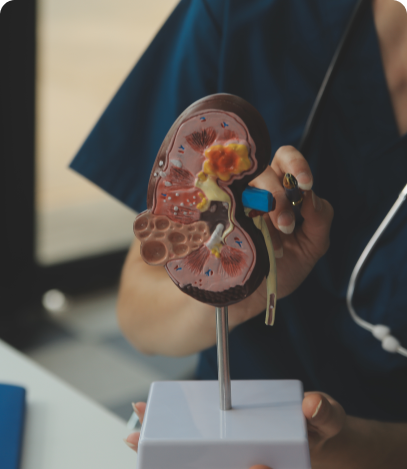
Urinary blockage can be relieved and kidney function preserved with less invasive, image-guided treatments such as nephrostomy and stent insertion. A tiny tube is placed through the skin into the kidney during a nephrostomy to directly drain urine. To maintain appropriate urine flow from the kidney to the bladder, a small tube is inserted inside the ureter during stent insertion. Dr. Ahmad Zia performs these treatments with accuracy and care, guaranteeing patient comfort, a quicker recovery, and successful treatment results.
Biopsy &
Drainage Procedures
A range of medical disorders can be safely and accurately diagnosed and treated with biopsy and drainage treatments. During a biopsy, a tiny sample of tissue is removed for analysis, which aids medical professionals in identifying the existence of illness. Drainage techniques eliminate cysts, abscesses, and extra fluid to reduce discomfort and avoid consequences. Patient comfort, a quicker recovery, and successful outcomes are guaranteed by the accuracy and care with which these treatments are carried out.
Thrombectomy
procedures
To restore appropriate blood flow and avoid problems like PE or vascular compromise, thrombectomy is an effective treatment that removes blood clots from veins or arteries. Dr. Ahmad Zia is expert in precisely removing or dissolving the clot by carefully navigating tiny catheters using sophisticated imaging. Thrombectomy treatments are carried out securely at our clinic, putting patient comfort first, cutting down on recovery time, and increasing results while successfully treating potentially dangerous vascular problems.
Image-Guided
Pain Injections
For the treatment of persistent pain in the soft tissues, spine, or joints, image-guided pain injections are accurate and less invasive procedures. A specialist administers drugs directly to the afflicted location using real-time imaging techniques like fluoroscopy or ultrasound, which reduces discomfort and inflammation while protecting the surrounding healthy tissue. These injections are administered carefully and precisely at our clinic, giving patients targeted pain relief, a quicker recovery, and an enhanced quality of life.
Why Patients Choose Dr. Ahmad Zia?
Minimally invasive care
Less pain, faster healing
Quick recovery times
Most return home same day
Clear communication
Every step explained simply
Precision-guided treatments
Accurate targeting every time
Lower risk procedures
Fewer complications overall
Patient-focused time
Attentive listening without rush
Tailored treatment plans
Care designed for your needs
Cost-effective options
Avoids long hospital stays
Faster return to routine
Resume daily life sooner
When Should You See
an Interventional Radiologist?
Interventional radiologists apply advanced interventional techniques to diagnose and treat different conditions. You may want to see one in case you require focused treatment at a faster rate with reduced risk when compared to conventional surgery.
Chronic Symptom of Pain or Swelling: It may be a sign of a vascular or organ problem requiring an image-guided approach.
Varicose Veins or Vascular Problems:
Embolization or angioplasty can be suggested.
Fibroids or Prostate Problems:
A minor surgery can be used to relieve the problem without significant surgery.
Stones in the kidneys or bile:
IR Clinic is able to conduct accurate surgeries to extract stones without major cuts.
Unexplained Internal Bleeding:
Imaging and guided interventions aid in the diagnosis and management of bleeding.
Conditions We Treat
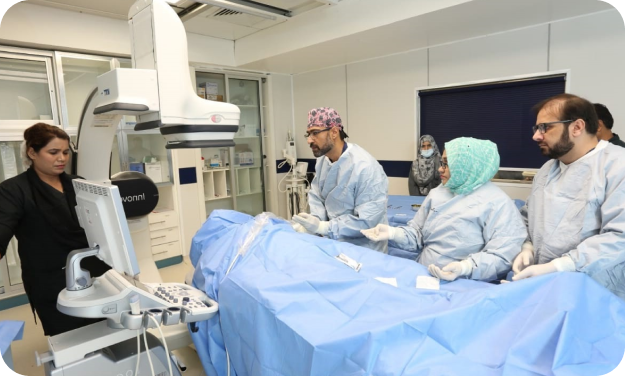
Our interventional radiology provides a broad spectrum of medical conditions that are treated with targeted, effective, and less invasive procedures.
Vascular Diseases: Varicose veins, aneurysms, thrombosis- embolized or stented.
Fibroids & Prostate Problems: Uterine fibroid embolization and prostate artery embolization to relieve symptoms.
Kidney / Biliary Stones: Non-surgery removal or draining by image guidance.
Cancer Therapies: Targeted cancer treatment using Tumor ablation and TACE/Y-90.
Pain Management: Image-guided injections in chronic back, neck or joint pain.
Catheter & Port Insertions: PICC lines and long-term medication delivery ports.
Traditional Surgery vs. Interventional Radiology
| Feature | Traditional Surgery | Interventional Radiology (IR) |
|---|---|---|
| Incision Size | Large, requires major cutting | Tiny, minimally invasive puncture |
| Recovery Time | Weeks to months | Days to a week |
| Hospital Stay | Often extended | Short or outpatient |
| Pain & Scarring | Higher pain, visible scars | Minimal pain, almost no scarring |
| Risk of Complications | Higher risk of infection and blood loss | Lower risk, guided by imaging |
| Precision | Less targeted, it can affect the surrounding tissue | Highly targeted, preserves healthy tissue |
| Treatment Options | Limited to what can be physically reached | Includes embolization, ablation, & image-guided interventions |
How to Get Treated by Dr. Ahmad Zia?
Patient Journey
Expert interventional radiology care is easy, efficient and patient-centered. These are the steps that you need to follow in order to begin your treatment.
Book a Consultation
Use the phone number, email, or online form to book an appointment.
Primary Evaluation
Dr. Zia will examine your medical history, conduct diagnostic imaging and discuss appropriate treatment options.
Individualized Treatment Plan
Get a specific plan that fits your problem, with minimally invasive options, and aftercare.
Procedure Scheduling
Scheduling is made conveniently with your preferred IR procedure, and instructions are given clearly on how to prepare.
Follow-Up & Recovery
To monitor and provide guidance on the way to the recovery and the best outcome.
Minimally Invasive Treatments by Dr. Ahmad Zia
IR Clinic Lahore provides advanced, image-guided procedures safer alternatives to open surgery with faster recovery. Explore our specialist services below.
Our Specialist Services Include:
Frequently
Asked Questions
Is interventional radiology safe?
Yes, IR procedures are less invasive and are guided by imaging and done under a strict safety protocol.
Is general anesthesia necessary in IR procedures?
Most of the IR processes rely on local anesthesia and sedation. There is rarely a necessity for general anesthesia.
What are the side effects of interventional radiology?
The side effects tend to be low like slight bruising or temporary pain at the point of treatment.
Are IR therapies long-term therapies?
The answer to this is yes, most treatments of the IR can give long-term results, but it may require follow-up depending on the ailment.
Does IR procedure have a role in vascular disease?
Absolutely. IR is effective in the treatment of varicose veins, thrombosis, aneurysms, and other vascular diseases.
What is the average length of an IR procedure?
The different procedures usually take between 30 minutes and 2 hours, depending on the complexity.
Is it possible to repeat IR procedures when necessary?
Yes. Most of the procedures can be repeated safely when needed.
Is post-IR bleeding frequent?
Major hemorrhage is uncommon. Minor bruising or swelling could be observed at the puncture site.
Should interventional radiology be used in patients who are not surgical candidates?
Yes. IR provides less invasive options for patients who are not able to have conventional surgery.