Bahria orchard Hospital: Mon, Tues, Thurs ⟶ 11 AM, Wed, Fri ⟶ 1:30 PM
Shalamar Hospital: Wed, Fri 10:30 AM
Have Any Questions?
The liver of humans is one of the most vital organs in the body. This silent organ carries out over 500 critical processes daily. Anything wrong with the liver will definitely lead to serious consequences. The life of a person changes when they get diagnosed with a liver tumor. They might think that living is impossible for them and that they will die soon.
Moreover, they also have a lot of questions in their mind related to the diagnosis and treatment of liver tumors, etc. However, with the advancement of science and the medical field, specialists can now help the patient fight this disease and get treated successfully.
The IR Clinic provides patients with an expert diagnosis of a liver tumor. Moreover, high-level liver tumor treatment in Lahore through the aid of technological advancements is offered along with complete medical advice.
Under the guidance of Dr. Ahmad Zia, each patient is treated on an individual basis, and their liver tumors are removed without damaging any healthy part of their liver. This article explains how the diagnosis of a liver tumor is made and how it is treated. It also explains the early signs of a liver tumor so that patients can take prompt action and save their lives.
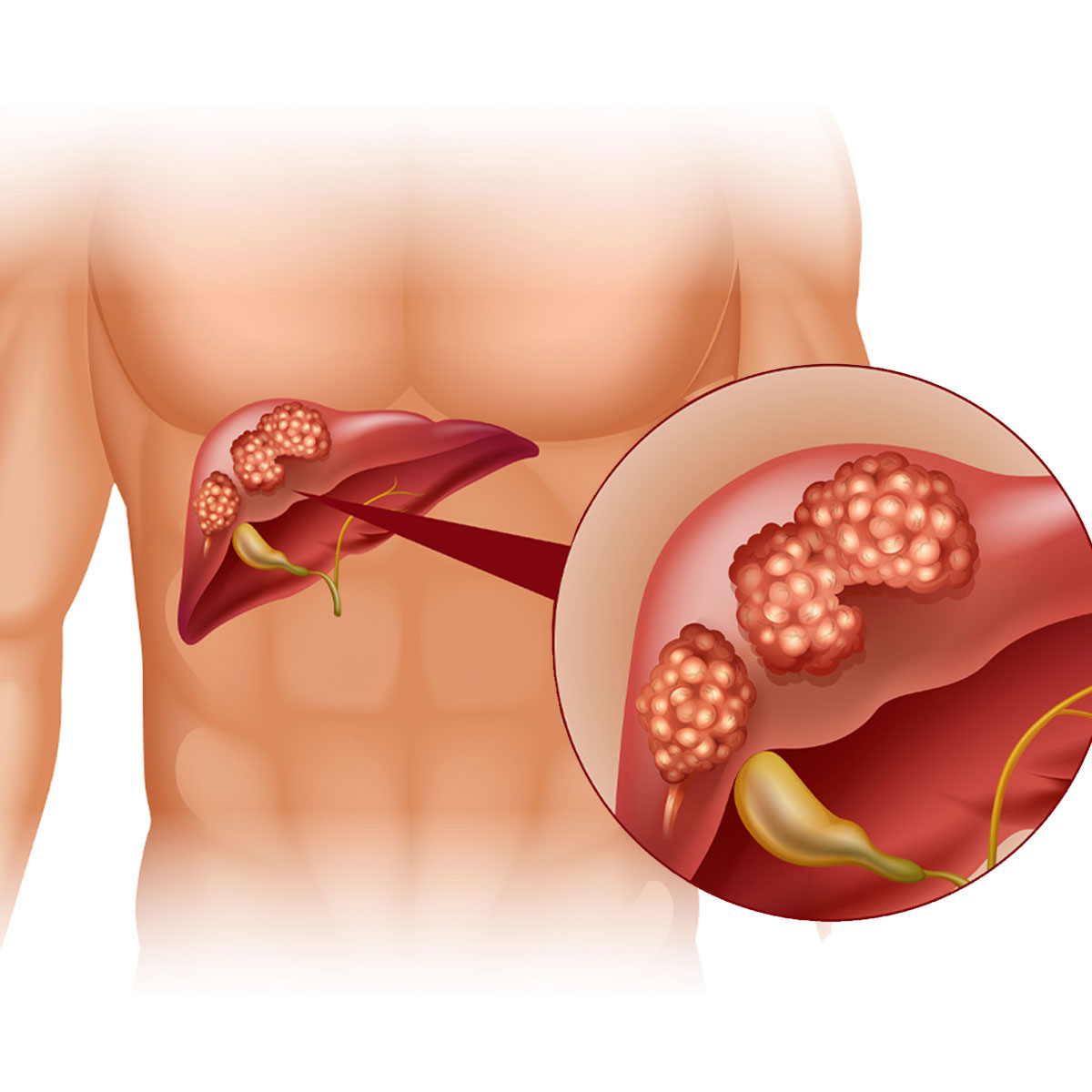
The uncontrolled proliferation of liver cells is medically referred to as a liver tumor. This abnormal multiplication of liver cells disrupts the normal functioning of the liver. These tumors can develop in people with medical conditions such as diabetes, obesity, or fatty liver disease. Moreover, heavy alcohol consumption, smoking, and infections such as hepatitis B and C can trigger abnormal cellular growth and lead to liver tumors.
Since liver diseases often require advanced imaging for accurate diagnosis, while exploring treatment options for liver conditions. Although the term “tumor” can be alarming, it is important to understand that not all tumors are cancerous.
Liver tumors are mainly divided into two categories: benign and malignant, which are explained in the table below:
| Feature | Benign (Noncancerous) | Malignant (Cancerous) |
|---|---|---|
| Nature | Non-cancerous growths | Cancerous growths |
| Growth | Grow slowly | Rapid & aggressive growth |
| Spread | Does not spread. | It can invade nearby tissues and metastasize. |
| Seriousness | Usually harmless; rarely life-threatening | Potentially life-threatening; requires immediate treatment |
| Examples | Hemangioma, Focal Nodular Hyperplasia (FNH) | Hepatocellular Carcinoma (HCC), Cholangiocarcinoma |
| Treatment Need | Often none, just regular monitoring | Medical intervention (surgery, ablation, etc.) is required |
Receive Advanced Liver Cancer & Tumor Care at IR Clinic
Dr. Ahmed Zia Provides Expert Diagnosis and Targeted Treatment for Liver Tumors.
One of the biggest dangers of a Liver Tumor is the appearance of its symptoms. They don’t appear when the tumor growth initiates. In the early stages, people feel completely normal. Some warning signs may slowly develop, which are mentioned below:
A person can only know for sure if it is cancer through proper diagnosis. Urgent medical attention should be sought if these signs persist for several weeks. Unfortunately, most patients do not take their health seriously until the symptoms become severe. Early detection means that one has higher chances of survival.
Diagnosis of a Liver Tumor is based on symptoms of the patient and results of the clinical reports. Here are common methods of diagnosis:
The specialist checks for the signs and symptoms by asking about the history and current condition of the patient.
The treatment for a liver tumor is highly specialized and personalized. No two patients with liver cancer receive exactly the same treatment. Specialists determine the most suitable treatment approach based on several factors, including the patient’s overall condition, the type and stage of the tumor, and the health of the liver.
Today, many patients also research minimally invasive procedures and compare treatment approaches such as varicocele embolization vs surgery to better understand how modern image-guided therapies differ from traditional surgical methods. Similarly, liver tumor treatment may involve a combination of advanced interventional and surgical techniques depending on the patient’s needs.
The treatment methods are as follows:
It is best when the tumor is small and restricted to one part of the liver. Surgical methods also vary by their types based on whether the tumor is being removed (resection) or the whole liver is being transplanted. A liver transplant may completely cure some patients if the cancer has not spread.
Ablation is a non-surgical method for liver cancer removal. It destroys cancer cells through radiofrequency or microwaves exposed to the liver. Moreover, cryoablation is another method to destroy liver cancer cells. These treatments are commonly used for smaller tumors.
Tiny beads delivering high doses of chemotherapy are injected into the cancer cells’ blood vessels. Blocking the blood supply to the tumor to “starve” it. Often combined with localized chemotherapy (TACE).
In chemotherapy, specialists utilize drugs to target cancer cells. The benefit of this treatment is that it can also be used if cancer has spread. In cases when surgery is not possible, a chemotherapy approach is used. However, liver cancers sometimes respond differently to chemotherapy compared to other cancers.
Targeted drugs are used that attack specific cancer cells. These drugs have minimal side effects on the normal healthy liver cells. The effect of these medications on cancer cells is to slow down their growth.
Immunotherapy activates the body’s own immune system so that it fights against cancer cells. The cancer cells are recognized and killed effectively, giving promising results.
Radiation uses high-energy rays. Although not the first option, it destroys unwanted tumor cells and significantly reduces tumor size.
Liver tumor is a deadly disease that significantly affects the lives of patients. It does not show severe signs early, which is why it keeps spreading without the patient even realizing. However, it can be treated, and the patient can survive if an experienced specialist deals with it. Moreover, timely treatment and early screening for cancer are also very crucial for the patient to prevent the spread of Liver tumor cells.
The IR Clinic offers expert liver tumor treatment to patients at an affordable cost. We use highly advanced technology to target every kind of tumor cell and remove it effectively from your body. The advent of technology in medicine means that many cases of liver tumors are now diagnosed in time and treated much more effectively compared to previous years.
Patients should not be afraid of what will happen next after their diagnosis, as there are various treatment methods available based on their condition. Today, minimally invasive interventional radiology techniques are available, which allow patients to heal and recover faster. Patients can enjoy improved life quality and also prevent liver cancer from developing through regular check-ups. Seeking care from experienced specialists like Dr. Ahmed Zia at IR Clinic can make a life-saving difference through accurate diagnosis, compassionate support, and advanced liver tumor treatment.